Get Back on the Road With Confidence - Reliable Auto Maintenance
Essential auto repair guarantees safe and efficient vehicle operation. A reputable shop presents thorough services, from regular inspections to critical maintenance. Determining when your vehicle requires service can prove tricky. Many drivers have trouble discovering trustworthy mechanics. Ongoing upkeep contributes significantly to extending a vehicle's lifespan. Yet, the challenges regarding expenses and communicating with technicians can leave one hesitant. What measures can drivers implement to maintain their vehicles road-ready?
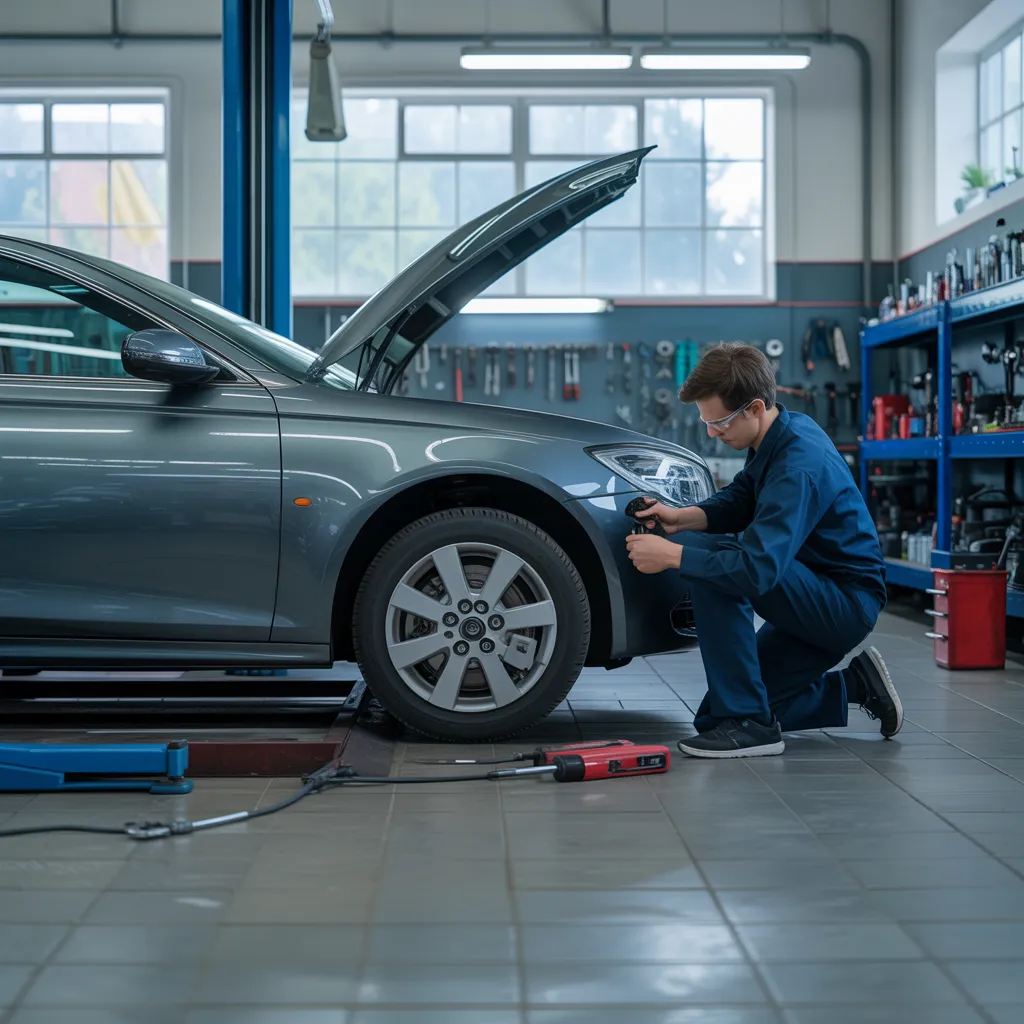
Determining When Your Car Requires Fixes
How can one figure out when a vehicle needs servicing? There are key clues that show a need for repair. Strange noises, such as grinding or squeaking, often imply issues with brakes or engines. Warning lights on the dashboard, especially the check engine light, should never be ignored, as they indicate potential problems that need immediate investigation. Furthermore, a drop in performance, such as sluggish acceleration or difficulty starting, can also point to underlying mechanical problems.
Visual cues, such as fluid leaks or uneven tire wear, are further warnings that servicing is required. If the automobile drifts to one direction while driving, this could indicate misalignment issues or tire defects. Consistently tracking these elements can help guarantee prompt maintenance, avoiding greater deterioration and expenses in the long term. Ultimately, being vigilant and proactive is vital for preserving your car's condition.
How to Identify a Reliable Auto Repair Shop
Discovering a solid auto repair shop can prove tough for automobile owners. To get started, individuals should seek referrals from friends, loved ones, or coworkers. Personal experiences often deliver valuable insights into a establishment's quality of service. Web-based reviews and rankings on websites like Yelp or Google can also help determine client happiness.
Next, reviewing licenses and partnerships with reputable trade associations, such as the Automotive Service Excellence (ASE), can reveal a shop's commitment to professional standards. It is advisable to tour candidate businesses for an preliminary discussion, permitting proprietors to assess cleanliness, organization, and customer service.
Moreover, obtaining written estimates before any work commences can prevent misunderstandings about costs. Finally, a reliable shop should be transparent about its services and inclined to discuss repairs. By executing these steps, vehicle owners can increase their chances of locating a trustworthy auto repair shop.
The Importance of Regular Car Maintenance
While many car owners may overlook routine upkeep, regular vehicle maintenance is crucial for ensuring a car's lifespan and optimal functionality. Skipping upkeep can result in a series of problems, from small hassles to significant breakdowns. Routine checks, such as oil replacements, tire turns, and brake checks, can avoid expensive maintenance and improve safety on the road.
In addition, regular maintenance helps sustain a vehicle's fuel efficiency, lowering overall operating costs. It also safeguards the selling price; a properly maintained car is often more appealing to potential buyers.
Committing to scheduled maintenance cultivates a sense of responsibility among owners, urging them to stay current about their vehicle's needs. By prioritizing regular care, vehicle owners not only protect their investment but also add to overall road safety. Ultimately, consistent vehicle care is a proactive approach that benefits both the owner and the broader community.
Grasping Service Expenses
Comprehending repair expenses might often prove perplexing for automobile owners. Diverse elements determine these costs, encompassing labor charges, component values, and the degree of difficulty in the repair job. Labor charges differ extensively throughout different regions and shops, typically demonstrating the mechanic's skill level and the shop's operational expenses. In addition, the category of components used—if OEM parts or replacement alternatives—may significantly determine the final cost.
Vehicle type and years also contribute; less common or older vehicles may need specialized parts that are more expensive and harder to source. Additionally, surprise complications can emerge during repairs, leading to supplementary charges that were not initially anticipated. By acquiring general awareness of such considerations, vehicle owners can tackle repair quotes with greater confidence and take knowledgeable choices regarding their automotive needs.
How to Effectively Explain Car Problems to Your Technician
Relaying car problems effectively to a mechanic can greatly enhance the assessment and restoration procedure. When describing problems, car drivers should be specific about indicators, such as unusual noises, vibrations, or dashboard alerts. Providing details on when the issue occurs—whether during acceleration, braking, or idling—can also support the mechanic identify the issue.
It is important to note any recent changes in driving conduct or maintenance history. Utilizing simple, plain language avoids ambiguity, permitting the mechanic to understand the situation more accurately. Owners should avoid incorporating industry terminology unless they are confident in its interpretation.
Moreover, providing documentation, such as service records or previous repair invoices, can supply context. A detailed description not only facilitates swift diagnosis but also creates a cooperative bond between the car owner and the mechanic, ultimately enabling effective repairs.
Developing a Enduring Association With Your Auto Repair Shop
Creating a long-term relationship with an auto repair shop relies on trust and openness. Regular superior service strengthens this partnership, while open communication pathways ensure that customers sense valued and acknowledged. In combination, these components create a partnership that serves both the customer and the technician.
Develop Confidence By Means Of Clarity
When clients feel well-informed about the services their vehicles need, confidence naturally develops between them and their auto repair shop. Transparency in communication is essential; it allows customers to understand the justification behind suggested repairs and maintenance. Auto repair shops that provide clear explanations, accurate estimates, and open discussions establish a sense of trust among their clientele. This openness not only simplifies the repair process but also empowers clients to make informed decisions. Furthermore, sharing information about the shop’s qualifications, warranties, and service history strengthens credibility. By prioritizing transparency, auto repair shops can cultivate lasting relationships, encouraging repeat customers and customer loyalty. Ultimately, trust through transparency lays the foundation for a more dependable and reliable auto repair experience.
Steady Quality Service
Consistent reliable service is the basis of a lasting relationship between customers and their auto repair shop. When customers receive reliable and efficient repairs, they are more likely to return for future maintenance. This reliability cultivates trust, allowing customers to have confidence in the expertise of the technicians. Over time, as customers witness the same excellent quality being upheld, a sense of dedication develops. Quality checks carried out regularly and conformance to industry standards guarantee that vehicles are not only restored but also kept in good condition to prevent future issues. Such devotion to excellence creates an atmosphere where customers are appreciated, knowing their vehicles are in capable hands. Ultimately, this pledge to consistent quality service strengthens the bond between auto repair shops and their clientele.
Create Interaction Routes
Effective communication serves as an vital connection between patrons and their auto repair shops, enhancing confidence and comprehension. Open communication pathways establish a collaborative atmosphere where patrons feel valued and kept in the loop. When repair shops provide clear explanations regarding services, expenses, and timelines, customers can make superior determinations about their automobiles. Consistent updates during repairs can ease apprehension and build confidence in the shop's proficiency. Conversely, patrons who voice their reservations and preferences contribute to a more personalized experience. This two-way dialogue not only strengthens relationships but also stimulates loyalty. By prioritizing open communication, auto repair shops can create a reputation for trustworthiness, making certain that patrons return for future requirements, certain in the labor they will additional resource receive.
Often Requested FAQs
What Can I Do if My Car Fails Unexpectedly?
If a vehicle stops working suddenly, the driver should safely pull over, turn on hazard lights, assess the situation, and call for roadside assistance or a tow service if needed. Staying calm is important.
How Can I Know if a Mechanic Is Dependable?
To determine a mechanic's reliability, one should check reviews, ask for referrals, verify qualifications, and notice openness in costs. A trustworthy technician will communicate clearly and provide detailed explanations of required maintenance and work.
What warranties cover vehicle maintenance work?
Many auto repair shops offer warranties on their work and components, typically spanning 90 days to several years. Customers should ask regarding specific details and requirements to guarantee adequate protection for their repairs.
What Components Should I Maintain in My Car for Emergencies?
A properly equipped car should contain a spare tire, jack, jumper cables, flashlight, first aid kit, essential tools, and tire pressure gauge. These critical items help ensure safety and resolve minor issues during unexpected emergencies on the road.
How Do I Set My Car Ready for Seasonal Changes?
To prepare a car for climate shifts, one should verify fluid levels, check tires for tread and pressure, check the power source, replace wipers, and make certain lights function properly for optimal safety and efficiency.